Common Causes of Concrete Foundation Damage
To address common causes of concrete foundation damage, local contractors can evaluate issues like settling, moisture intrusion, or cracks and provide effective repair solutions.
Understanding the common causes of concrete foundation damage is essential for property owners looking to protect their investments. Issues such as soil movement, poor drainage, and improper construction practices can all contribute to structural problems over time. Recognizing these factors early can help prevent more extensive and costly repairs down the line. Local contractors experienced in foundation repair are familiar with these typical causes and can provide insights into how they might impact specific properties, offering practical solutions to address any underlying issues.
For those in the area concerned about foundation stability, exploring the root causes of damage is a proactive step toward maintaining a safe and durable property. Soil conditions can shift due to natural or man-made changes, leading to cracks and settling. Additionally, inadequate drainage or water management can weaken the foundation’s integrity. Connecting with local service providers who specialize in foundation damage repair ensures that property owners have access to knowledgeable professionals capable of diagnosing and addressing these common issues effectively. Keep reading to learn more about how these causes might affect your property and what steps can be taken to safeguard it.
- homeowners noticing cracks or shifting in their foundation may need foundation repair services, which local contractors approach with assessments and stabilization techniques. - when soil expansion or contraction causes uneven pressure on a concrete foundation, local service providers can evaluate and perform underpinning or reinforcement. - water infiltration leading to erosion or weakening of the foundation prompts local pros to implement waterproofing and drainage solutions. - signs of settlement or sinking in a foundation often require excavation and lifting, which local specialists handle with specialized equipment. - structural issues caused by poor drainage or plumbing leaks can be addressed by local contractors through targeted repairs and foundation stabilization.
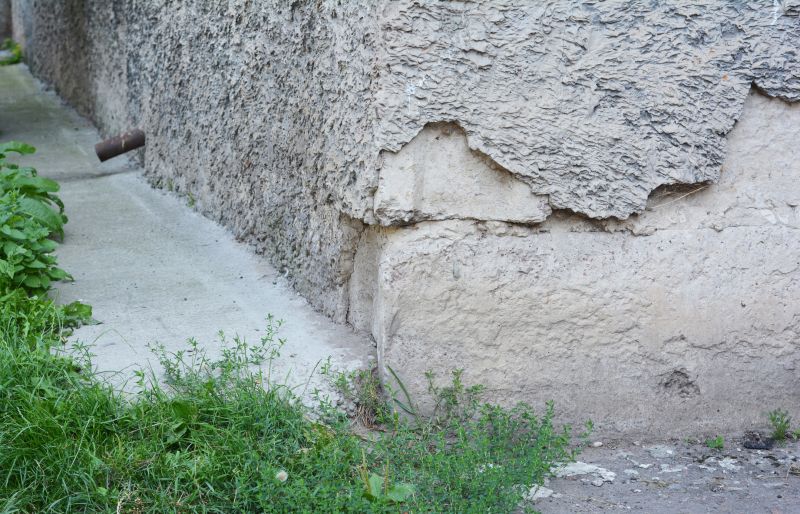
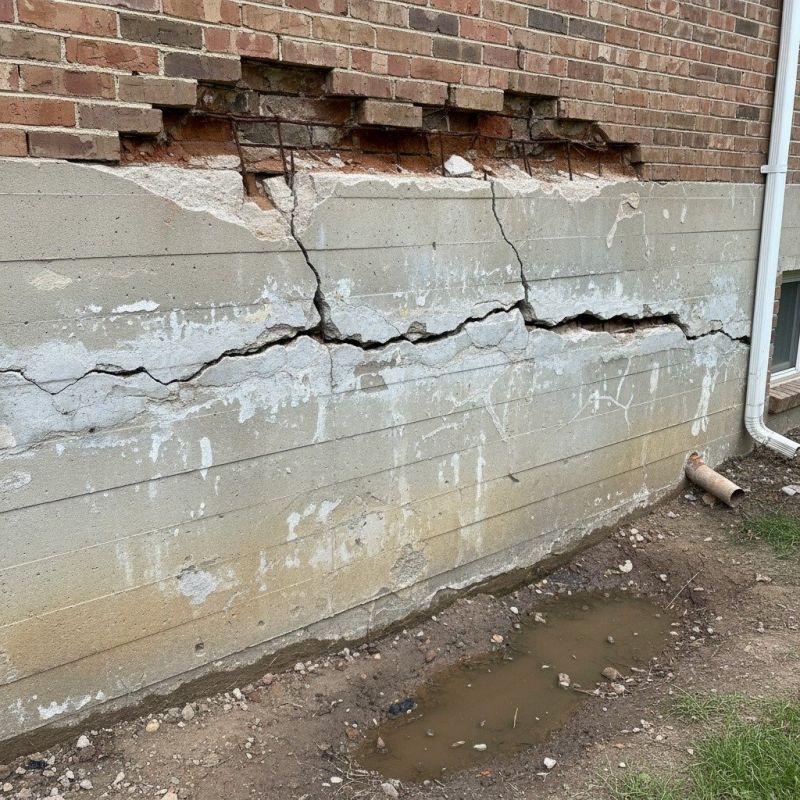
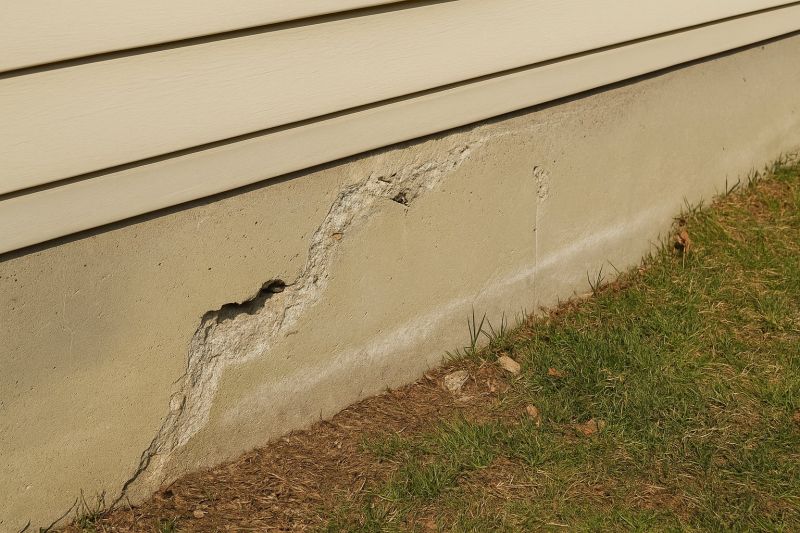
Understanding the common causes of concrete foundation damage is essential for homeowners who notice signs of settling, cracking, or uneven floors. When searching for this topic, many are seeking insights into why their foundation might be showing signs of stress or deterioration. These causes often relate to underlying issues that can develop gradually over time, such as shifting soil, water intrusion, or improper construction practices. Recognizing these factors helps homeowners grasp the potential risks to their property and the importance of timely repairs. Local contractors who specialize in foundation repair can assess the specific problems and recommend solutions tailored to the root causes, helping to prevent further damage and preserve the property's stability.
The problems associated with foundation damage frequently connect to plans for repairs or reinforcement. For example, cracks in the concrete may indicate shifting soil or water pressure that needs addressing. In some cases, foundation settlement can lead to misaligned walls or uneven flooring, prompting homeowners to consider underpinning or stabilization methods. These issues often tie into larger property concerns, such as water drainage or landscaping adjustments, which can influence the longevity of the foundation. Local service providers experienced in foundation repair are equipped to evaluate these problems thoroughly and implement solutions that restore the foundation’s integrity, ensuring the home remains safe and structurally sound.
Properties that typically come up in discussions about common causes of concrete foundation damage include both residential homes and small commercial buildings. Single-family houses, especially those built on expansive clay soils or in areas with significant moisture fluctuations, are often vulnerable to shifting and cracking. Similarly, multi-unit residential complexes and small commercial properties may face issues stemming from poor drainage, inadequate foundation design, or soil instability. These property types are particularly sensitive to changes in soil conditions and water management, which can accelerate deterioration. Local contractors familiar with the regional soil and climate conditions can provide targeted repairs that address the specific causes affecting these types of properties.
Understanding the common causes of concrete foundation damage helps homeowners connect the dots between observed issues and the need for professional assessment. Whether it’s cracks, uneven floors, or visible settling, these problems often originate from factors like soil movement, water intrusion, or construction flaws. Recognizing these causes allows property owners to seek the right kind of repair services from local contractors who can diagnose the root issues and recommend appropriate solutions. Properly addressing foundation damage not only stabilizes the property but also helps prevent more costly repairs in the future. Connecting with experienced local service providers ensures that repairs are based on a clear understanding of the underlying causes, leading to more effective and lasting results.
Soil Stabilization Projects - soil stabilization involves assessing and improving soil conditions, a skill relevant to addressing issues caused by unstable ground that can lead to foundation damage.
Drainage System Installations - installing proper drainage helps prevent water accumulation around foundations, a key factor in common causes of concrete foundation damage.
Retaining Wall Construction - building retaining walls requires understanding soil pressure and movement, similar to the planning needed to prevent foundation shifting and cracking.
Excavation and Site Preparation - site prep involves grading and soil analysis, which are essential steps in preventing foundation settlement and related damage.
Foundation Underpinning Services - underpinning strengthens existing foundations, directly addressing issues caused by soil movement and poor load-bearing conditions.
Waterproofing and Sealant Application - applying waterproofing solutions helps mitigate water intrusion, a common cause of concrete deterioration and foundation issues.
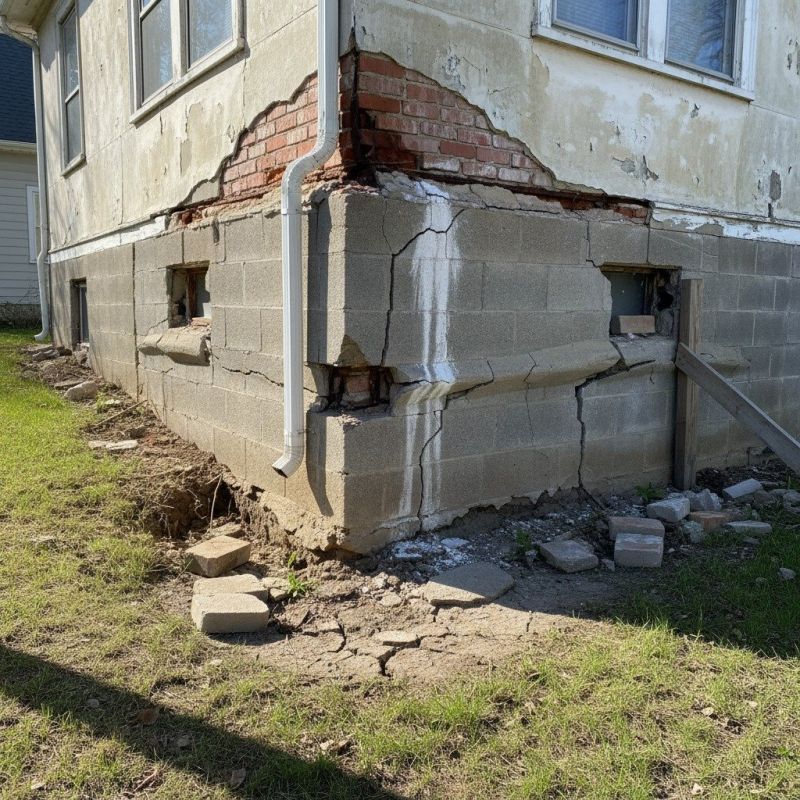
When comparing service providers for foundation damage repair, it is important to consider their experience with similar projects. Local contractors who have handled issues related to common causes of concrete foundation damage are more likely to understand the specific challenges involved and to recommend appropriate solutions. Asking about their past work on foundation repairs caused by factors such as soil movement, water intrusion, or poor drainage can help gauge their familiarity with these common issues. This background can contribute to a more confident decision, knowing that the service provider has a track record of addressing issues similar to those encountered in the home.
Clear written expectations are another critical factor when evaluating local contractors. A detailed scope of work, including the steps involved in diagnosing the cause of damage and the proposed repair methods, helps ensure transparency and alignment. Well-documented plans also make it easier to compare proposals and understand what will be done to address the specific causes of foundation problems. Clear communication about the process, potential challenges, and the materials used can prevent misunderstandings and set realistic expectations for the repair project.
Reputable references and effective communication are essential qualities to consider when selecting a service provider. Contractors who can provide references from previous clients with similar foundation issues demonstrate a history of reliable work. Additionally, good communication throughout the process-such as responsiveness to questions and clarity in explaining repair options-can make the experience smoother and more predictable. Choosing local pros who prioritize transparency and open dialogue can help ensure that the foundation repair process is well-managed and that the underlying causes of damage are thoroughly addressed.
Property owners often search for common causes of concrete foundation damage when they are planning practical projects around their homes and businesses. Local pros provide Foundation Damage Repair services for everyday jobs and straightforward project options.
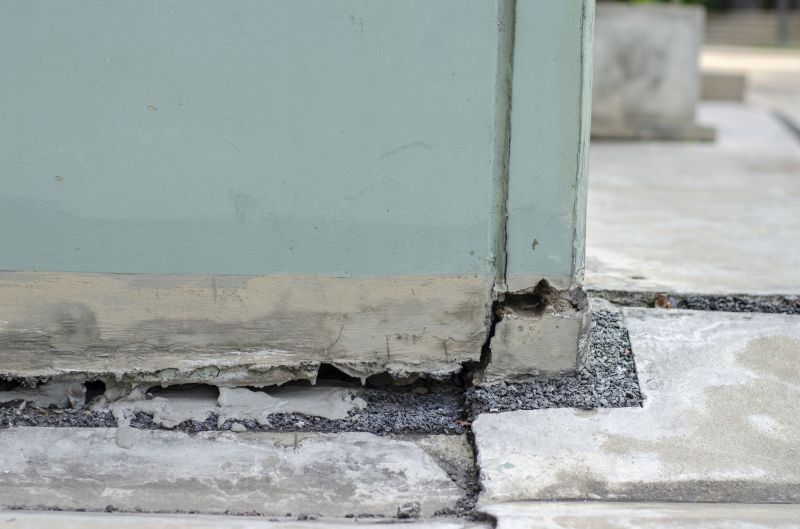
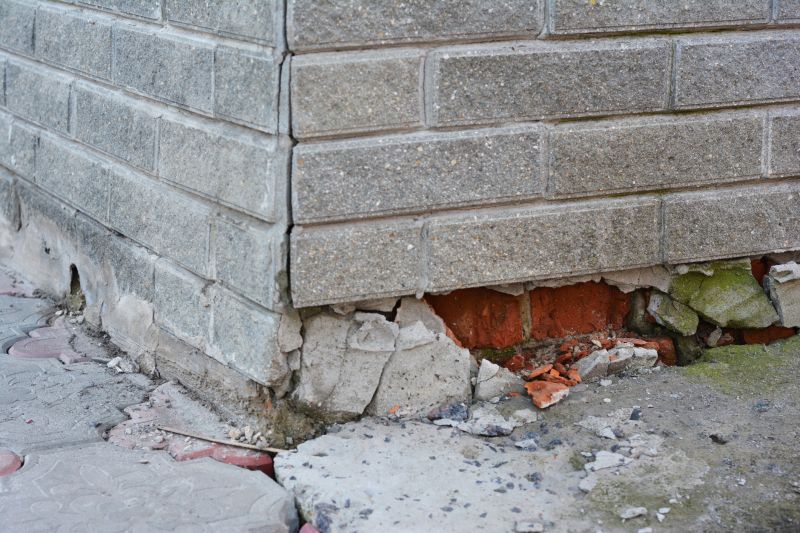
Understanding the common causes of concrete foundation damage can help property owners identify early warning signs and prevent costly repairs. In many cases, issues arise from natural settling or shifting of the soil beneath the foundation, often due to changes in moisture levels caused by irregular watering or poor drainage around the property. Heavy rainfall or drought conditions can also lead to soil expansion or contraction, putting stress on the foundation over time. Homeowners in the area might notice cracks in walls or uneven floors, prompting them to seek advice from local contractors experienced in foundation repair.
Other everyday project situations that contribute to foundation problems include landscaping activities that disturb the soil or add excessive weight near the structure, such as installing new driveways or decks without proper support. Poor drainage systems or clogged gutters can cause water to pool around the foundation, accelerating deterioration. Property owners who observe signs of shifting or cracking in their concrete may consider consulting local service providers who specialize in foundation damage repair to assess and address these issues effectively.
What are common causes of concrete foundation damage? Common causes include soil movement, poor drainage, and improper construction practices that lead to shifting or cracking of the foundation.
How does soil movement affect foundation integrity? Soil movement, such as expansion or contraction due to moisture changes, can exert pressure on the foundation, causing cracks or settling over time.
Can poor drainage lead to foundation issues? Yes, inadequate drainage can cause water to accumulate around the foundation, increasing soil moisture and leading to erosion or foundation shifting.
What role does improper construction play in foundation damage? Improper construction techniques, like inadequate reinforcement or poor soil preparation, can make foundations more susceptible to cracking and settling.
How can local service providers help address foundation damage caused by these issues? Local contractors can assess the specific causes of damage and recommend appropriate repair solutions to restore foundation stability.
Soil movement and poor drainage can cause shifting foundations; property owners can improve drainage around their home and consult local contractors for soil stabilization solutions.
Heavy loads and structural overload may lead to cracks and settling; homeowners might consider consulting local pros to evaluate load distribution and reinforce the foundation if needed.
Tree roots and vegetation can exert pressure on the foundation; removing or managing nearby trees with help from local service providers can prevent root-related damage.
Frost and freeze-thaw cycles can cause expansion and contraction; property owners can work with local contractors to install proper insulation and drainage systems to minimize damage.
If you are thinking about common causes of concrete foundation damage for a property, this guide is meant to help you understand this topic, the typical project types, and how different options might fit your plans.
When you are ready, you can use the quote form on this page to share a few details about your project. From there, local pros can review the basics and follow up with options that match what you have in mind.